
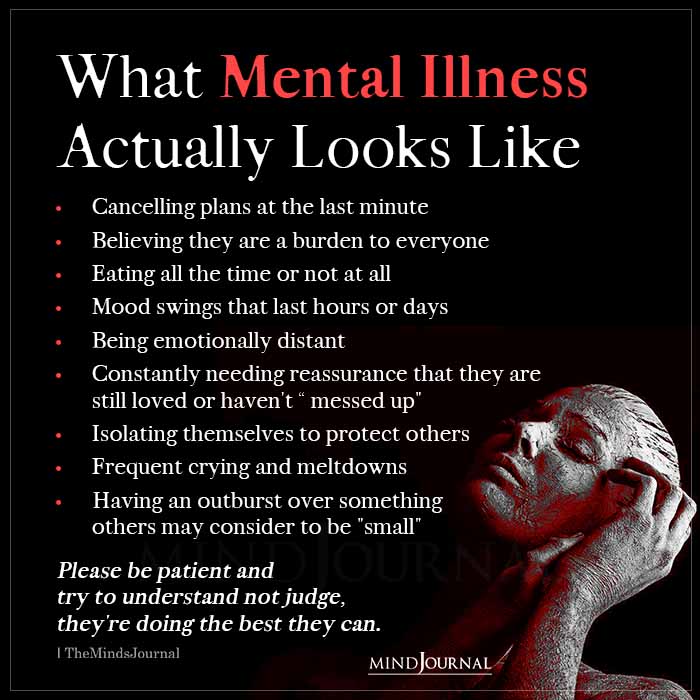
Mental health is an intricate and vast subject, often surrounded by myths and misconceptions. Here are seven lesser-known facts that might challenge your understanding and broaden your perspective on mental health:
- Depression is Not Just “Feeling Sad”
- Fact: Depression is a serious mental health condition marked by persistent sadness, hopelessness, and loss of interest in activities. It also involves physical symptoms such as fatigue, appetite changes, and sleep disturbances. It is far more complex than just feeling down.
- Anxiety Isn’t Always About Fear
- Fact: While fear is a component, anxiety disorders also include worry, nervousness, restlessness, and physical symptoms like a racing heartbeat or sweating. Anxiety can stem from uncertainty, stress, or perceived lack of control, not just identifiable fear.
- Mental Health Conditions Affect People of All Backgrounds
- Fact: Mental health issues do not discriminate and can affect people of all ages, races, socioeconomic statuses, and backgrounds. Perpetuating the myth that mental health problems only affect certain groups can contribute to stigma and prevent those in need from seeking help.
- Medication Isn’t the Only Treatment for Mental Health
- Fact: While medications can be helpful, they are not the only treatment. Various therapeutic approaches and lifestyle interventions like counseling, psychotherapy, mindfulness practices, and exercise can be effective. Mental health care is not one-size-fits-all.
- Mental Health Exists on a Spectrum
- Fact: Mental health is not binary; it exists on a spectrum with everyone experiencing varying degrees of mental well-being at different times. Acknowledging this helps reduce stigma and encourages everyone to prioritize their psychological well-being.
- Mental Health Impacts Physical Health
- Fact: Mental health significantly affects physical health due to the mind-body connection. Chronic stress and anxiety can weaken the immune system and increase the risk of physical health problems. Conversely, physical health issues can exacerbate mental health challenges.
- Seeking Help is a Sign of Strength, Not Weakness
- Fact: Asking for support is a brave and commendable act. It demonstrates self-awareness, courage, and a commitment to well-being. Seeking help, whether through therapy, support groups, or confiding in loved ones, is essential for improving mental health.
Embracing the Truth About Mental Health
Understanding these facts helps in debunking myths, reducing stigma, and promoting a more compassionate and informed approach to mental health. Mental health awareness is crucial, and recognizing its spectrum and the strength in seeking help can lead to better support and care for everyone.
For more insights and information on mental health, you can read the full article here.