
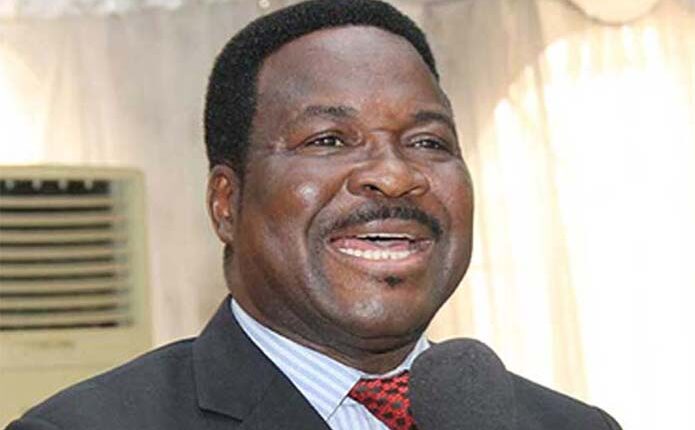
Professor Mike Ozekhome, a constitutional lawyer and human rights activist, discussed the Supreme Court’s recent ruling that grants financial autonomy to local governments. Ozekhome highlighted how this judgment curtails the power of state governors and restores independence to local governments. Below are the excerpts from his interview:
Celebrating the Judgement
Ozekhome expressed his delight over the Supreme Court’s decision, which he believes re-establishes the financial independence of local governments. He provided a historical context, explaining that Nigeria initially had three regions, which eventually expanded to four. Over time, these regions managed their own resources, but this system changed after the military coup of 1966 and subsequent state creations, leading to a more centralized financial control.
Three Tiers of Government
Ozekhome emphasized that Nigeria has three tiers of government: Federal, State, and Local. The 1999 Constitution recognizes local governments as a separate tier, with their own democratically elected officials. However, the funds meant for local governments have often been misappropriated by state governments. The Supreme Court’s ruling now mandates that these funds be paid directly to local government councils, bypassing the states.
Implementation and Accountability
The judgment empowers local government chairmen to receive and manage their funds directly. Ozekhome acknowledged the challenges of local government chairmen who are appointed by governors rather than elected. He emphasized the need for local governments to hold democratic elections to benefit from the new financial autonomy.
Role of Joint Accounts
The Supreme Court’s interpretation of the Constitution aims to ensure that local governments receive their due funds without state interference. Ozekhome criticized the practice of states managing joint accounts and withholding funds meant for local governments, likening it to banditry. He argued that local government chairmen should now have a direct role in financial allocations.
Future Relationship Between States and Local Governments
Ozekhome predicted some tension as local government chairmen assert their new autonomy. He suggested that local government officials will now have more authority and accountability, reducing their dependency on state governors. This shift will also encourage more responsible governance at the local level.
Conclusion
Ozekhome celebrated the Supreme Court’s ruling as a victory for local governance and grassroots development. He urged local government chairmen to embrace their newfound autonomy and work towards the betterment of their communities. He also called for the Federal Government to respect the limits of its influence, ensuring a balanced relationship among all tiers of government.
 News Editor