
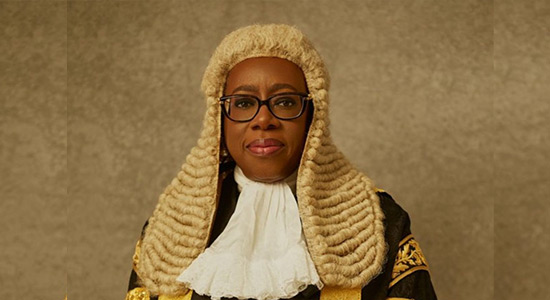
As Justice Kudirat Kekere-Ekun prepares to assume the role of Chief Justice of Nigeria (CJN), senior lawyers, activists, and stakeholders within the judiciary have underscored the urgent need for comprehensive reform in the nation’s judicial system. During a roundtable discussion in Abuja, they highlighted several critical areas that require attention to restore public confidence and ensure justice is properly served.
Key Issues Raised:
- Judicial Overhaul:
- Professors of Law Ernest Ojukwu (SAN) and Samuel Erugo (SAN), along with other participants, expressed concern over the current state of the judiciary, calling for a complete overhaul to realign it with the principles of equity, fairness, and justice. This is seen as essential to prevent public disillusionment with the justice system.
- Election Cases and Judicial Independence:
- Professor Ojukwu recommended that the courts should avoid handling election cases to ensure that electoral outcomes reflect the true will of the people. This step is believed to be crucial for the credibility of both the judiciary and the electoral process.
- Supreme Court Reforms:
- Samuel Erugo (SAN) suggested that the Supreme Court should have the power to review its own judgments, particularly in cases where there is significant public concern. This reform is aimed at addressing the finality of judgments that may be controversial.
- Judicial Appointments and Nepotism:
- Stakeholders urged Justice Kekere-Ekun to reform the judicial appointment process to eliminate nepotism and favoritism. They highlighted the need for merit-based appointments, with transparent selection processes to restore integrity to the judiciary.
- Conflicting Judgments and Territorial Jurisdiction:
- The issue of conflicting judgments from courts of coordinate jurisdiction was also addressed. Mr. Folarin Aluko, a member of the Nigerian Bar Association, recommended the establishment of clear practice directions to manage territorial jurisdiction overlaps, ensuring uniformity across all court systems in the country.
- Discipline and Accountability:
- Aisha Yesufu, an activist, emphasized the importance of financial transparency and accountability within the judiciary. She called for prompt and decisive disciplinary processes, with punishments proportional to the severity of misconduct, to restore trust in the judiciary.
Challenges with the National Judicial Council (NJC):
- Mr. Martin Obono, Executive Director of Tap Initiative, raised concerns about the NJC’s recent practices, particularly regarding allegations of nepotism in judicial appointments. He pointed to instances where the council reportedly ignored its guidelines, including the appointment of candidates with questionable qualifications. Obono urged the incoming CJN to prioritize integrity and merit in judicial appointments, advocating for more transparent processes.
As Justice Kekere-Ekun prepares to take office, these recommendations reflect the broader call for her to lead a judiciary that is independent, transparent, and accountable, with the ultimate goal of upholding the rule of law and public confidence in Nigeria’s justice system.
 News Editor