
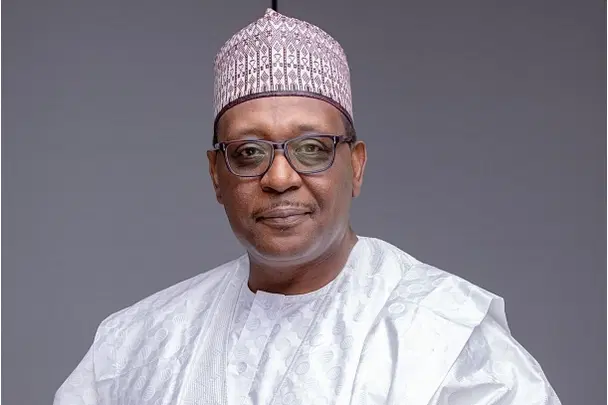
The Coordinating Minister of Health and Social Welfare, Prof. Ali Pate, has shed light on why a significant 67% of Nigerian doctors are practicing in the United Kingdom. Speaking on Channels Television’s Politics Today program, Pate attributed this trend to the global demand for Nigerian-trained healthcare professionals, who are recognized for their vibrancy, entrepreneurial spirit, and high competence.
Pate emphasized that the UK’s National Health Service (NHS) heavily relies on Nigerian doctors, with 25% of its workforce consisting of Nigerian-trained professionals. He suggested that countries like the UK, which recruit Nigerian health workers, should take on the responsibility of supporting Nigeria’s healthcare education system. This could involve expanding pre-service education in Nigeria to ensure a balanced migration of professionals, so that for every doctor who leaves, another is trained to replace them.
The minister acknowledged the reality of ongoing health worker migration, noting that over 75% of health workers trained in Nigeria in the past year have left the country for better opportunities abroad. While recognizing that the government cannot restrict freedom of movement, Pate mentioned that efforts are being made to create a more conducive environment in Nigeria to encourage health workers to remain and practice within the country.
Pate also highlighted the newly approved National Policy on Health Workforce Migration by President Bola Tinubu, which aims to provide incentives for medical professionals to stay in Nigeria through improved welfare and capacity development.
As of December 2023, over 12,000 Nigerian-trained doctors were licensed to practice in the UK, with many others working in various African countries. Additionally, 13,656 Nigerian-trained nurses and midwives were practicing in the UK as of March 2024, reflecting a 28.3% increase over the previous year.
The migration of Nigerian healthcare workers is driven by factors such as inadequate equipment, worsening insecurity, poor working conditions, and unsatisfactory salary structures, leaving those who remain in Nigeria to handle increased workloads and extended call hours.