
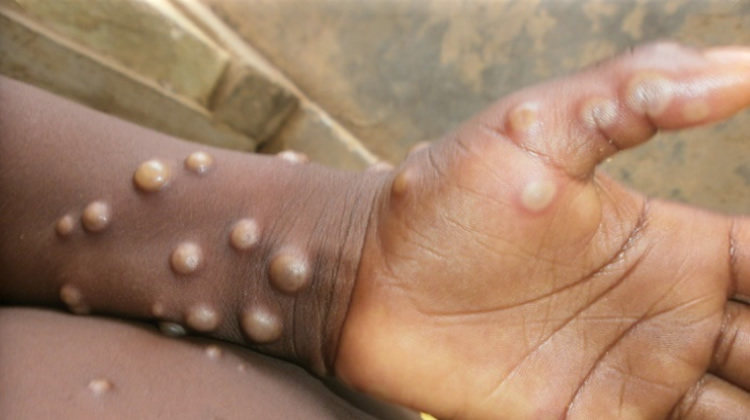
In response to the ongoing Mpox outbreak, the Nigerian Association of Resident Doctors (NARD) is advocating for enhanced crowd control measures in public hospitals to mitigate the spread of the disease. Dr. Dele Abdullahi, the President of NARD, emphasized that controlling crowds in hospitals is a crucial strategy to prevent the further transmission of Mpox.
Dr. Abdullahi highlighted that hospitals could become hotspots for Mpox transmission, particularly if individuals infected with the disease come into contact with others in crowded settings. The NARD president’s call for action comes as the Nigeria Centre for Disease Control and Prevention (NCDC) reports 40 confirmed cases of Mpox out of 830 suspected cases across the country.
Mpox has been spreading across Africa and parts of Europe, with the Africa Centre for Disease Control recently declaring a public health emergency. The outbreak has notably affected several African countries, including the Democratic Republic of Congo (DRC), where a new, more virulent strain of the virus, clade 1b, has been identified. This strain, primarily spreading through sexual networks, has raised significant concerns.
Globally, there have been about 2,863 confirmed Mpox cases and 517 deaths reported in 2024. Dr. Abdullahi stressed the importance of implementing strict crowd control measures in hospitals, including limiting the number of patients and visitors, ensuring proper ventilation, and enforcing rigorous infection control protocols. He also advocated for increased public awareness, improved research, and enhanced border patrols to prevent the disease’s spread.
Dr. Abdullahi suggested that public awareness campaigns should go beyond traditional media and involve active discussions within communities and hospitals. He called for practices such as frequent handwashing, use of face masks, and improved hospital crowd management. Additionally, he emphasized the need for rigorous health screenings at borders to prevent the introduction and spread of Mpox.
He also urged for better education on avoiding contaminated meat and recognizing early symptoms of Mpox. Early identification and medical attention are vital to prevent further spread, and promoting vaccination options can significantly contribute to controlling the disease.
Mpox is a rare viral zoonotic disease endemic in Central and West Africa, typically transmitted from animals to humans. The disease’s control requires a comprehensive approach, including effective crowd management, public education, and robust health measures.