
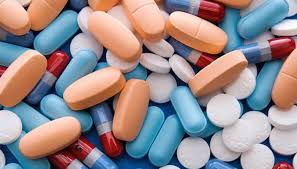
As the prices of essential medicines continue to rise, pharmacists in Nigeria are raising concerns that the escalating insecurity in the country is severely disrupting drug distribution and driving up costs. They report that the security challenges have not only disrupted the drug supply chain but have also led to a sharp increase in the cost of medicines, making it difficult for many Nigerians to afford life-saving medications.
Senior health professionals emphasized that this disruption exacerbates the existing crisis in the health sector. They told PUNCH Healthwise that due to insecurity, many patients have limited access to drugs, further straining the healthcare system. They also expressed worry that the persistent hike in medication costs has shown no sign of abating, putting additional pressure on patients and the healthcare system.
The Vice-President of the Diabetes Association in Nigeria, Bernard Enyia, shared his personal experience, noting that his monthly expenses for managing diabetes have more than doubled. “A year ago, I managed my diabetes with a monthly budget of N70,000 for insulin and other medical expenses. Today, I spend over ₦180,000 monthly,” he said.
The scarcity of foreign exchange, high production costs, the removal of subsidies, and high-interest rates have all contributed to the increase in drug prices, which have risen by over 300%. The depreciation of the naira and the exit of foreign pharmaceutical companies, such as GlaxoSmithKline, have further compounded the issue, leading to scarcity and price hikes of certain drugs.
Dr. Lolu Ojo, a former Chairman of the Association of Industrial Pharmacists of Nigeria, highlighted how insecurity impacts the cost and distribution of drugs. He noted that disturbances along various routes, especially in the North, East, and Middle Belt regions, are hindering the movement of pharmaceuticals. Even previously secure routes in the Western region are now threatened by fears of attacks.
To mitigate these risks, Dr. Ojo, who is also the Managing Director of Merit Pharmaceutical Company, stated that he has resorted to using air transport for consignments, which is safer but incurs higher costs. He urged the government to address security issues to prevent further increases in drug prices and disruptions in distribution.
Ogheneochuko Omaruaye, Chairman of the Pharmaceutical Wholesalers and Distributors Association of Nigeria, corroborated these concerns. He explained that the rising insecurity has significantly impacted drug distribution, increasing costs and affecting availability. “In Nigeria, the cost of distributing medicines to the northern regions is higher due to a combination of insecurity and poor infrastructure,” he said.
Omaruaye added that the logistics challenges in drug distribution need to be addressed directly, as they impact operations by increasing costs and reducing access to certain parts of the country. He also pointed out that forex scarcity and high electricity costs further exacerbate the situation for local manufacturers, contributing to the overall increase in drug prices.
Pharmacists are calling on the government to address the security issues and consider subsidizing logistics for medicines to reduce costs. They stress that addressing the rising insecurity is crucial for stabilizing drug prices and ensuring consistent access to medications across the country.