
By Abel Leonard, Lafia
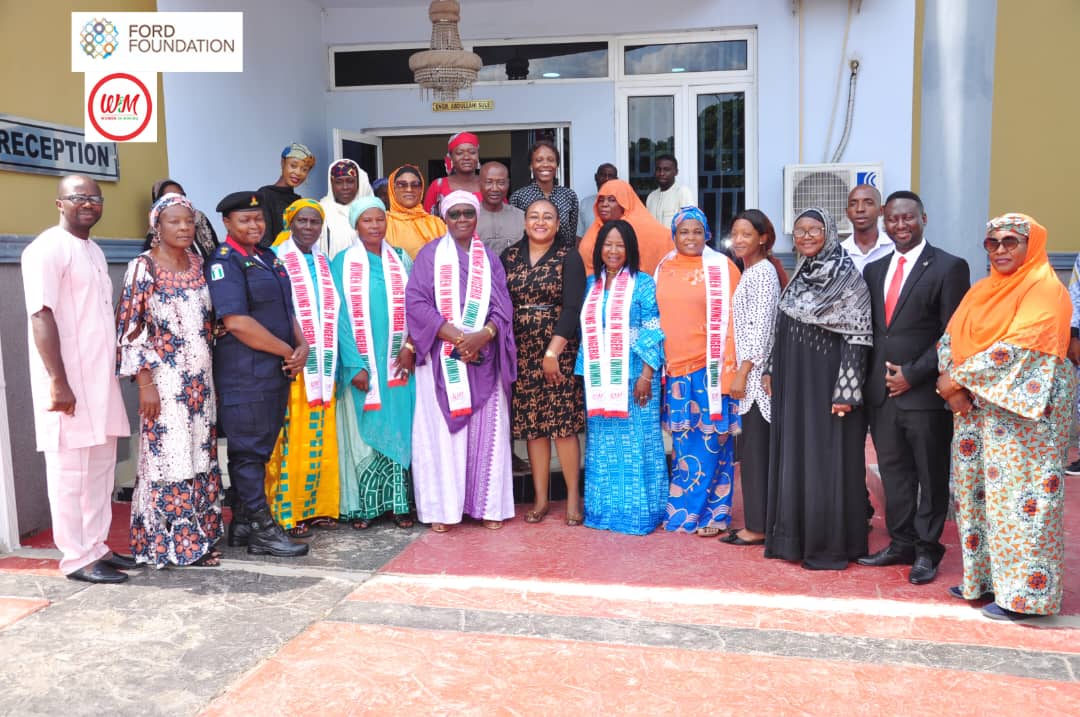
In a bid to empower survivors of Sexual and Gender-Based Violence (SGBV) and enhance their economic independence, the Women in Mining in Nigeria (WIMIN), in collaboration with the Ford Foundation and the Nasarawa State Ministry of Women Affairs, has completed a three-day intensive training program for women in Nasarawa State. The training focused on gemstone processing, salt production, and mining skills, aiming to provide sustainable livelihoods for vulnerable women.
Dr. Engr. Janet Adeyemi, President of WIMIN, underscored the significance of the initiative. “We designed this program to empower women financially and emotionally,” she said. “By equipping them with mining and processing skills, we’re helping them rebuild their lives and secure a sustainable future.”
As part of the project, WIMIN also re-opened a shelter for SGBV survivors in Nasarawa, providing a safe space and support for those rebuilding their lives. Dr. Adeyemi emphasized the impact of the shelter, saying, “This facility not only offers protection but also provides women with the necessary tools to become financially independent and self-sustaining.”
Transforming Mining Through Women’s Leadership
The training included hands-on activities in gemstone faceting, polishing, and sorting, with an emphasis on developing local processing capacity within Nasarawa. “Our mission is to see women as key contributors to the mining industry,” Dr. Adeyemi noted. “By training them in value-added mineral processing, we’re ensuring that the economic benefits stay within our communities.”
Sharing success stories from prior training programs, Dr. Adeyemi added, “Many women who have undergone this training are now supporting themselves and their families, demonstrating the transformative power of economic empowerment.”
Government Commends Empowerment Efforts
The Nasarawa State Commissioner for Women Affairs and Social Development, Hon. Hajiya Aisha Rufa’l Ibrahim, praised the initiative, noting its positive effect on the state’s social and economic landscape. “This collaboration between WIMIN, Ford Foundation, and the state government is invaluable,” she said. “It provides essential skills and tools for women to become self-reliant.”
Commissioner Ibrahim also highlighted Governor Abdullahi Sule’s support for local industry growth, stating, “The government’s commitment to local mineral processing has allowed us to create job opportunities that directly benefit our communities.”
Addressing SGBV Through Awareness and Education
Alongside the skills training, WIMIN launched an educational Referral Handbook on SGBV awareness and resources for women in mining communities. Dr. Adeyemi described it as a crucial resource, explaining, “The handbook educates women about their rights and the steps they can take to protect themselves from exploitation and violence.”
Ford Foundation representative Segun Tomori emphasized the organization’s dedication to women’s safety, saying, “We’re committed to fostering an environment where women not only thrive economically but are protected and supported against all forms of gender-based violence.”
Voices from the Participants
For many of the program participants, the training was transformative. Maryam Ibrahim, one of the trainees, expressed her gratitude, saying, “This program taught me gemstone processing, which I had never imagined learning. Now I feel equipped to start a business to support my family.” Another participant, Grace Musa, added, “The training showed us that women have a place in the mining sector, and I’m ready to make my contribution.”
New Leadership for WIMIN in Nasarawa
During the event, WIMIN inaugurated its Nasarawa State chapter, appointing Dr. Rhoda Idakunla as president. Dr. Idakunla, a mining expert, expressed her enthusiasm for her role, saying, “We’re committed to driving positive change and opening more doors for women in Nasarawa’s mining industry.”
The training marks a crucial step toward economic independence and resilience for SGBV survivors in Nasarawa, empowering them to transition from vulnerable circumstances to stable, income-generating roles in the mining sector.