
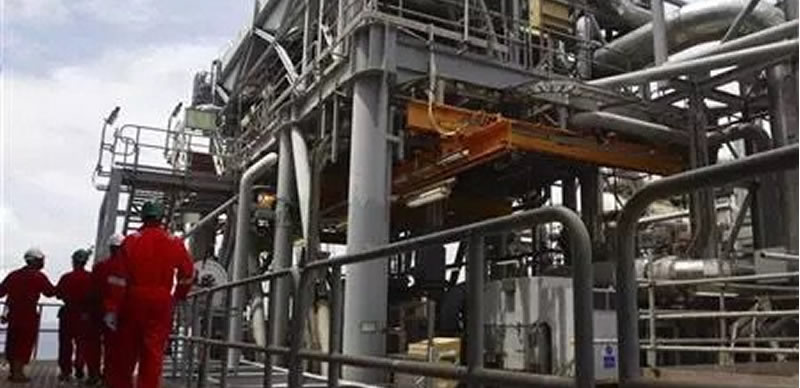
The Port Harcourt Refining Company, managed by the Nigerian National Petroleum Company Limited (NNPCL) in Rivers State, has postponed its operational start for the sixth time, according to reports by The PUNCH.
Promises from the Federal Ministry of Petroleum Resources and NNPCL regarding the refinery’s launch have repeatedly failed to materialize. Since December 2023, NNPCL has provided multiple dates for the refinery’s expected commencement of refined product sales.
In July, NNPCL’s Group Chief Executive Officer, Mele Kyari, assured that the refinery would start operations in early August. Kyari had previously claimed in 2019 that all four of Nigeria’s refineries would be operational before the end of former President Muhammadu Buhari’s administration.
Speaking before the Senate in July, Kyari reiterated, “I can confirm that by the end of the year, Nigeria will become a net exporter of petroleum products. However, while the Kaduna refinery will not be operational before December, the Port Harcourt refinery was expected to begin production in early August.”
As August progresses, the refinery has yet to commence operations, raising concerns about yet another unmet promise from NNPCL.
In response to inquiries on Tuesday, NNPCL spokesperson Olufemi Soneye stated that operations are “on course,” but did not provide further details on whether the refinery would begin operation within the month.
The refinery, which is capable of processing 210,000 barrels of crude oil per day, was reported to have completed mechanical rehabilitation in December. NNPCL had initially projected the refinery would refine 60,000 barrels daily by the end of the Christmas period. In January, Kyari indicated the refinery was undergoing testing and would be operational by the end of the month.
Despite a supply of 475,000 barrels of crude oil from Shell Petroleum Development Company, expectations for an early start were not met. In mid-March, Kyari forecasted a start date in April, which also passed without result.
Soneye attributed the delays to pending regulatory approvals from international bodies, particularly those related to nuclear materials used in the refinery. “We are waiting for necessary approvals. Everything else is ready, but we cannot begin operations without these approvals,” Soneye explained.
The prolonged inactivity of Nigeria’s refineries has led to continued reliance on imported fuel, costing the country up to N2 trillion monthly. Former President Olusegun Obasanjo criticized previous attempts to privatize the refineries, blaming corruption and poor management for their current state.
The Senate has raised concerns about the $1.5 billion allocated in 2021 for the refinery’s renovation, questioning the effectiveness of government investments in the face of ongoing dysfunction.
Nigerians remain hopeful that once operational, the refinery will reduce fuel importation and lower petrol prices.
 News Editor