
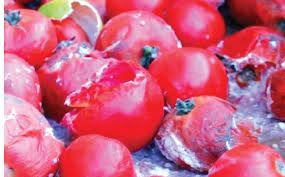
In light of economic challenges, food sector experts are advising caterers in Lagos General Hospitals to avoid using spoiled ingredients, particularly tomatoes and peppers, in meal preparation. The warning comes amid concerns that using rotten ingredients could lead to food poisoning and other health complications for patients.
The Association of Hospitals Caterers of Nigeria’s Lagos State chapter recently organized a training program for caterers from 27 general hospitals and maternal child centers. The two-day training aimed to improve food safety and hygiene standards within hospitals.
Dr. Afolashade Ilori, a lecturer at Olabisi Onabanjo University, emphasized the critical importance of using fresh, uncontaminated ingredients. “Contaminated food can worsen existing health issues and delay recovery,” she explained. Ilori advised caterers to purchase high-quality ingredients, ensure proper storage, and follow rigorous food control practices to prevent contamination.
Ilori also suggested that hospitals consider growing their own produce to reduce reliance on potentially contaminated or chemically treated foods. “Growing food organically and monitoring it carefully can ensure that it remains safe and nutritious for consumption,” she added.
Mrs. Motunrayo Adewale-Shomope, Head of the Catering Service Department at Ikorodu General Hospital, stressed that despite financial constraints, hospital caterers must prioritize the freshness and nutritional value of the food they serve. “Caterers should interact directly with patients to explain their meals and ensure they meet specific dietary requirements,” she advised.
Tajudeen Gbadamosi, Head of the Catering Unit at the Health Service Commission, highlighted the importance of maintaining hygiene throughout the food preparation process. “We monitor food safety from procurement to storage, ensuring that all ingredients are kept at the right temperatures and handled properly,” he said.
Gbadamosi also underscored the need for personal hygiene among hospital caterers, stating, “Caterers must adhere to high standards of cleanliness, including wearing proper uniforms and avoiding jewelry that could pose a contamination risk.”
The training program also addressed topics such as food safety, personal hygiene, and menu planning, aiming to enhance the quality of food served in hospitals. Gbadamosi called on caterers to apply the knowledge gained from the training to ensure safe and nutritious meals for patients.
The training reflects the state government’s commitment to improving healthcare delivery and ensuring that patients receive the necessary nutrients for a speedy recovery.
 News Editor