
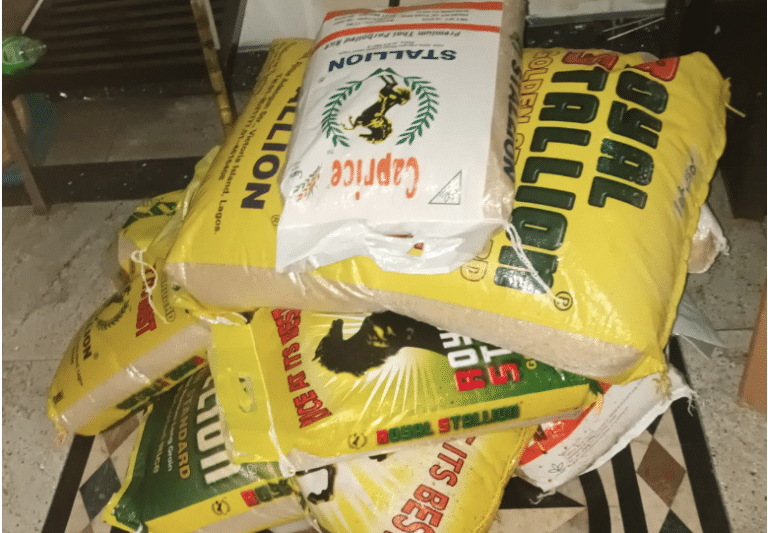
Nigerians are now facing skyrocketing rice prices, with a 50kg bag of locally-produced rice selling at around ₦105,000, well above the minimum wage of ₦70,000. This 123% price surge is a result of the recent removal of the petrol subsidy and naira devaluation, creating financial strain across the country.
Imported rice costs have also climbed, with a 50kg bag reaching ₦130,000, according to a BusinessDay survey. Traders in Lagos report that they are withholding rice stocks in anticipation of even higher prices ahead of the festive season.
Challenges such as high production costs, insecurity, and logistics issues have left smallholder farmers unable to meet demand. Despite the government’s July suspension of import duties on rice, food prices remain high due to delays in policy implementation. AfricanFarmer Mogaji, CEO of X-Ray Consulting, points out that insecurity and a recent grain export ban from Niger have further tightened rice supply, driving prices up.
For consumers like Chioma Okeke, a teacher in Lagos, affording essential food items has become nearly impossible. “With prices so high, there’s nothing left for other needs,” she said.
 News Editor