
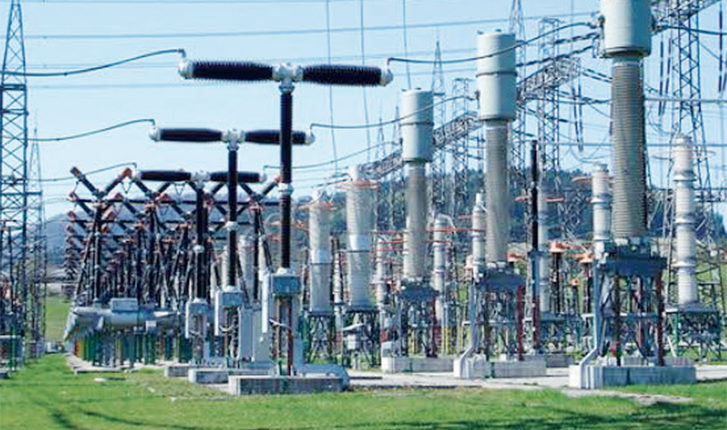
In a bold move to tackle Nigeria’s energy crisis, President Bola Tinubu’s administration has set a target to provide at least 20 hours of daily electricity for urban and industrial areas by 2027. The goal, however, is contingent on securing adequate funding for Nigeria’s oil and gas sector, which officials say is currently underfunded.
The announcement was made by Olu Verheijen, Special Adviser to the President on Energy, during the African Energy Week in Cape Town, South Africa. The frequent failures of Nigeria’s national power grid, including its tenth collapse of 2024, have highlighted the urgent need for investment in infrastructure and maintenance.
Verheijen detailed the government’s strategy, which includes securing financial stability, addressing historical debts, rolling out seven million smart meters to minimize losses, and expanding off-grid solutions for remote communities. With ongoing economic reforms such as the removal of the fuel subsidy and liberalization of the foreign exchange market, she expressed optimism about the nation’s potential for transformative growth.
Despite being one of Africa’s most resource-rich countries, Nigeria’s energy sector has historically underperformed. Verheijen pointed to Brazil’s success as an example, noting that, although Brazil has only 30% of Nigeria’s oil reserves, it produces 131% more output, largely due to greater investment. Since 2016, Nigeria has attracted only 4% of Africa’s oil and gas investments, while other nations have drawn more attention from international investors.
In a bid to reverse this trend, Verheijen encouraged global investors to consider Nigeria’s energy market as it seeks to achieve reliable electricity access for millions across the country.
 News Editor